


Connecting with Country requires specialist Aboriginal engagement expertise to support culturally informed planning, design and infrastructure delivery.
At Indigenuity Lab, we work with Traditional Owners and Custodians to bring their knowledge, cultural practices and enduring relationships with Country into the planning and design of our built environment.
Every Country is different. We develop approaches that reflect local cultural protocols, respect Traditional Owner authority and respond to the needs of each project.
With extensive experience in major infrastructure and the built environment, we understand how to work within complex design processes and bring cultural knowledge and technical expertise together.
What we deliver
Connecting with Country Strategy & Planning
Project strategies, cultural governance arrangements and Traditional Owner determined methodologies that establish how Country will inform planning, design and delivery.
Traditional Owner Engagement & Co-design
Place-specific cultural knowledge mapping, culturally appropriate engagement, technical information tailored for Traditional Owners and facilitated co-design with multidisciplinary project teams.
Specialist Design & Project Advisory
Independent advice to architects, engineers, landscape architects and project leaders on design opportunities, technical feasibility and integrating Traditional Owner direction into project decisions.
Design Review & Implementation
Design reviews, Connecting with Country reporting and ongoing advice to help carry cultural outcomes through design development, documentation and construction.
Projects we support
• Business case development
• Site analysis and feasibility
• Concept design and masterplanning
• Detailed design and documentation
• Redevelopments and design and construct projects
• Major infrastructure and transport projects
From inception through to completion and beyond.
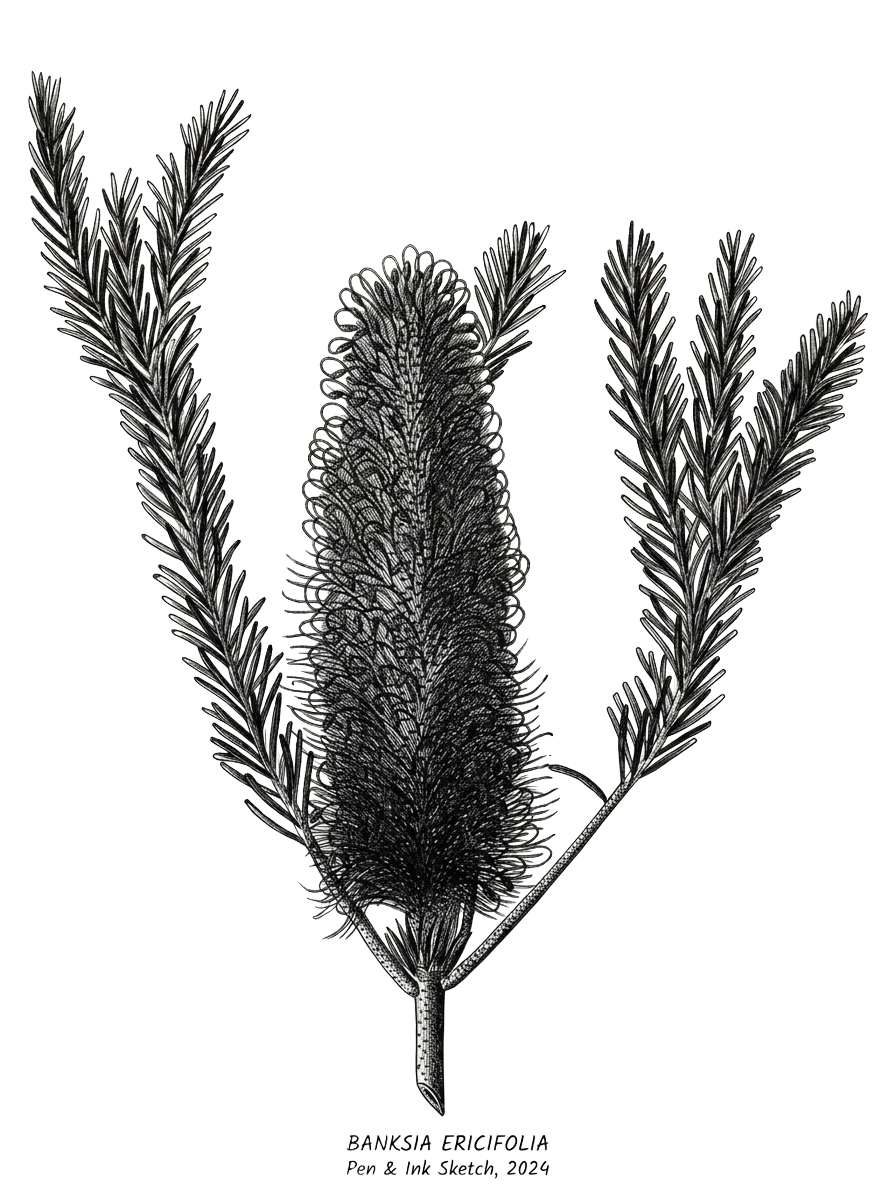
Connecting with Country
“Cultural wisdom enriches design outcomes to move us into a new era of being.”

Our approach
Cultural commitments made at the beginning of a project need to be honoured throughout its delivery.
We work alongside Traditional Owners and project teams to make sure the principles established early in the process aren’t lost as designs develop and decisions change.
Our approach focuses on five things:
Respecting cultural authority
Traditional Owners and Custodians remain central to decisions about their Country, cultural knowledge and how that knowledge is shared.
Protecting cultural protocols
We work with Traditional Owners to establish appropriate ways of working and ensure these are respected throughout the project.
Building design team capability
We help architects, engineers and other project specialists develop their understanding of Country and learn how to work respectfully with Traditional Owners.
Caring for cultural knowledge
Cultural knowledge shared through the process must be treated with care, with appropriate permissions and protections against misuse.
Creating lasting community benefit
We look for opportunities to ensure Connecting with Country delivers value for Traditional Owners and Aboriginal communities beyond the immediate project.
Our role is to provide the experience, advice and oversight needed to help prevent Connecting with Country from becoming a tokenistic exercise or a process that extracts cultural knowledge without delivering benefits in return.
Why Connecting with Country matters
When Country informs the way we plan and design, the benefits can extend well beyond the project itself.
Healthier Country
Design decisions can support healthier waterways, restore habitat, protect biodiversity and strengthen connections between people and the natural environment.
Stronger communities
Places that reflect local culture and history can strengthen belonging, bring people together and create opportunities for connection across generations.
Living cultural knowledge
The built environment can create opportunities for people to learn about the enduring cultures, histories and knowledge of Traditional Owners, where that knowledge is appropriate to share.
Places with identity
Drawing on the character, stories and cultural significance of Country can help create distinctive places that people value and want to spend time in.
Benefits that last
Thoughtful planning and design can create opportunities for ongoing cultural, environmental, social and economic benefits, particularly when Traditional Owners remain involved in decisions about their Country.
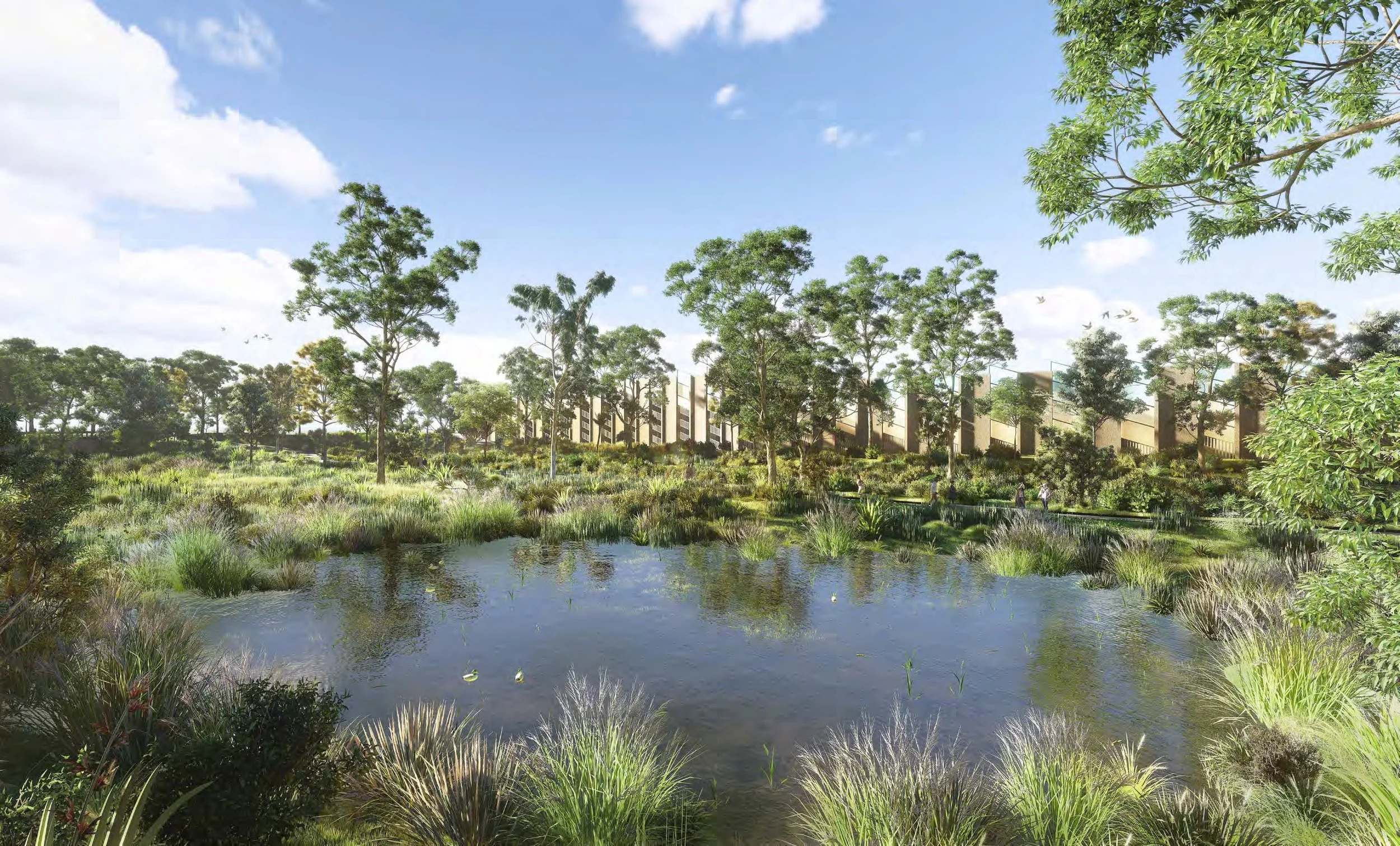
Bourke to Tram Road - North East Link Project
Valda Wetlands

Frequently Asked Questions
-
We go beyond the guidelines to provide tailored approaches for each project. We recognise each Traditional Owner and Custodian group has a different way of working and that’s what leads us forward.
We believe Aboriginal-led Connecting with Country gets the best outcomes for Country, community and Culture. We have a cultural responsibility to uphold cultural integrity throughout the project lifecycle and beyond.
Country and culture leads, design follows.
-
We see ourselves as a member of the Design Team. We attend meetings, provide advice and support and workshop designs throughout the program. We bring Design Teams along the journey of Connecting with Country. We’re passionate about uplifting the sector and setting new precedents.
-
The goal is to create healed places - places that acknowledge the full history of these lands and waters, the truth about impacts to Country and culture from colonisation. Its a step toward building a future that includes everyone.
-
Similarly to our position on the International Indigenous Design Charter, we deeply respect Aboriginal ways of working and cultural protocols. We recognise that Traditional Owners and Custodians have many forms of cultural expression and that each Country is unique. We don’t want to prescribe or dictate approaches; we amplify voice and create the right spaces for cultural wisdom sharing.
-
Engagement isn’t consultation. It’s relationship-building, understanding cultural protocols that vary by Country, navigating complex community dynamics, and holding space for Traditional Owners and Custodian informed decision-making. It means knowing when to slow down, when to redesign, when to defer. It’s translating between worldviews without losing meaning.